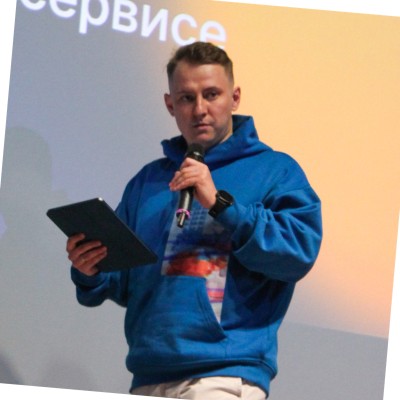
In the past three years as CMO of Ritorica, I've watched the messaging landscape shift from a single-channel game to a genuinely complex orchestration problem. Customers expect seamless experiences across SMS, WhatsApp, email, and push notifications — and they notice when those channels don't talk to each other.
The brands getting this right aren't doing something technically exotic. They're making deliberate strategic decisions about channel assignment, data unification, and measurement. This playbook is a distillation of those decisions.
1. Why CMOs Are Owning the Messaging Stack in 2025
Messaging strategy used to sit in operations or IT. It was a plumbing problem — get the SMS out, confirm the email was delivered, move on. That era is over.
Today, messaging is a primary customer experience surface. The conversation a customer has with your brand over WhatsApp is just as brand-defining as your homepage or your TV commercial. This is why progressive CMOs are taking ownership of the messaging stack, not just the content within it.
The shift also reflects a data reality: messaging channels now carry more behavioral signal than social media for most B2C brands. Read receipts, reply rates, click-through on rich buttons, conversation topics — this is customer intelligence that belongs in the marketing org, not the IT ticketing queue.
Strategic principle: Every message your company sends is a brand interaction. If marketing doesn't own the strategy behind those interactions, someone else will — and the experience will be incoherent.
2. The Four Pillars of Omnichannel Messaging Strategy
3. Channel Assignment: The Strategic Core
The most common mistake I see in enterprise messaging programs is using every channel for every message. This burns opt-in equity fast — customers who receive redundant notifications across three channels don't feel cared for, they feel spammed.
Here's the channel assignment framework I use at Ritorica:
WhatsApp — High-value, relationship-oriented messages
Use for: order confirmations, appointment reminders, customer support conversations, onboarding sequences, and loyalty rewards. WhatsApp is a trusted inbox — reserve it for messages that genuinely deserve to be there. Frequency: maximum 2–3 messages per week per customer.
SMS — Universal reach, time-sensitive alerts
Use for: OTP authentication, payment confirmations, emergency alerts, and fallback for critical messages. SMS reaches every phone with no app dependency. It's the reliable backbone of any messaging stack. Keep it transactional.
Email — Rich content, non-time-sensitive communication
Use for: newsletters, product updates, long-form promotional content, and detailed account information. Email remains the highest-ROI channel for non-urgent content — don't migrate everything away from it just because WhatsApp has better open rates.
Push Notifications — In-app and browser, active users only
Use for: real-time updates, app re-engagement, and personalized recommendations for users who are actively using your product. Push works when the customer has explicitly installed your app or granted browser permission — treat that trust carefully.
4. Building Customer Journey Maps Across Channels
A customer journey map for omnichannel messaging should answer three questions for every touchpoint:
- Which channel? Based on customer preference, message urgency, and content richness required
- What triggers the message? Event-based (purchase, login, abandonment) vs time-based (7-day post-purchase follow-up) vs behavior-based (browsed product 3x)
- What happens if it doesn't land? Fallback channel, wait period, and escalation threshold
For most enterprise B2C businesses, the highest-value journeys to map first are: onboarding (days 1–30), post-purchase (days 1–14), and win-back (customers inactive 60+ days). These three journeys account for 70–80% of messaging ROI in our client base.
5. Measuring Omnichannel ROI: The CMO Scorecard
The executive committee will ask for numbers. Here's the scorecard I present to our board:
- Delivery rate by channel — tracks infrastructure health
- Engagement rate (open/read/click) by channel and message type
- Opt-out rate — the most important leading indicator of channel health
- Attributed revenue — conversion events within 72 hours of a message
- Cost per delivered message — total platform + per-message cost / volume
- Retention delta — 90-day retention for customers in omnichannel flows vs control group
From our data: Customers who receive coordinated omnichannel messaging (WhatsApp + email, triggered by the same journey logic) show 38% higher 90-day retention than customers who receive single-channel messages. That retention delta is the number that gets CMO budgets approved.
6. The Executive Case for Investing in CPaaS
When I present to CEOs and CFOs, I don't lead with channel features. I lead with three questions:
- What is your current customer acquisition cost, and what would a 1% improvement in retention be worth at scale?
- What percentage of your transactional messages are currently unread, and what revenue sits in that gap?
- If a competitor launches WhatsApp-based customer service next quarter, how quickly can you respond?
CPaaS infrastructure is a competitive moat. The companies that build it now — the data pipelines, the opt-in bases, the tested journey flows — will have structural advantages in customer retention that are very difficult to replicate in 12 months. The ones who wait will pay three times as much to build it under competitive pressure.
Conclusion
Omnichannel messaging isn't a technology initiative — it's a customer experience strategy that happens to require technology. The CMOs who are winning with it are the ones who have defined a clear channel philosophy, built the data infrastructure to execute on it, and aligned their measurement framework to business outcomes rather than vanity metrics.
At Ritorica, we built our platform specifically to support this kind of strategic omnichannel operation — unified API, cascade routing, cross-channel analytics, and GDPR-compliant opt-in management. If you want to talk about how other CMOs are operationalizing this at scale, I'm always happy to connect directly.